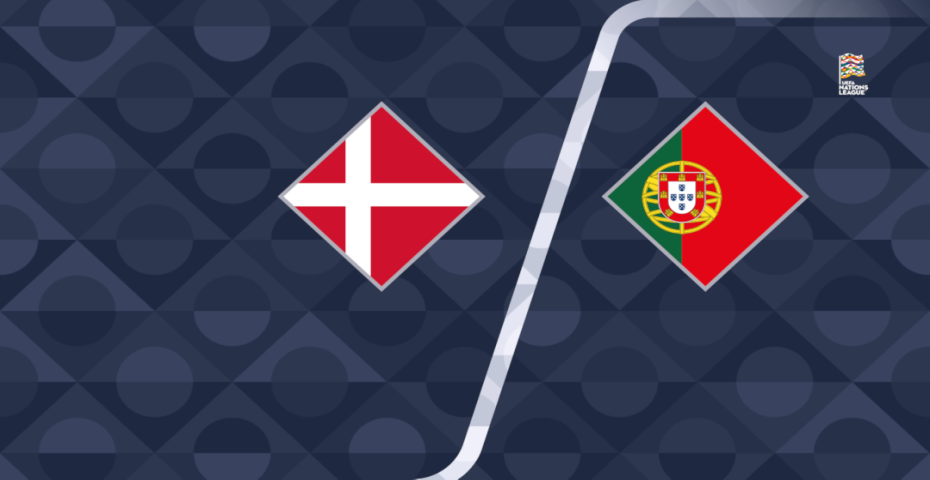
DENMARK vs PORTUGAL
01
Oct
2026
🇩🇰 DENMARK 🆚 PORTUGAL 🇵🇹
⚽ TECHNICAL MATCH ANALYSIS
━━━━━━━━━━━━━━
🏆 UEFA Nations League
📅 October 1, 2026
🗓️ Matchday 3
⏰ Kick-off: 20:45 CET
🌍 Europe
🇩🇰 Denmark 🆚 Portugal 🇵🇹
━━━━━━━━━━━━━━
🔎 MATCH OVERVIEW
🇩🇰 Denmark enter the match with the objective of using home advantage, physical intensity and structured team play to challenge Portugal.
The Danish side are capable of building patiently from the back, but they can also accelerate quickly through the wide areas when space becomes available.
🇵🇹 Portugal arrive with considerable technical quality throughout the team. Their ability to control possession, rotate positions and create combinations around the penalty area gives them several different attacking solutions.
This creates an interesting tactical battle between Denmark’s organization and Portugal’s fluid attacking structure.
━━━━━━━━━━━━━━
🇩🇰 DENMARK — TACTICAL APPROACH
🔵 Build-Up Play
Denmark are likely to begin attacks through controlled circulation from defence, attempting to connect quickly with the midfield.
⚡ Fast Transitions
When possession is recovered, Denmark can accelerate immediately rather than allowing Portugal enough time to reorganize defensively.
↔️ Wide Areas
The flanks could become particularly important. Advancing wide players can stretch Portugal’s defensive structure and create crossing opportunities.
🔥 Pressing
Denmark may choose specific moments to press aggressively, particularly when Portugal attempt to progress from their defensive third.
🎯 Final Third
Movement around the penalty area and deliveries from wide positions could become important methods of creating opportunities.
━━━━━━━━━━━━━━
🇵🇹 PORTUGAL — TACTICAL APPROACH
🎨 Technical Possession
Portugal have the technical ability to circulate the ball under pressure and patiently search for openings between Denmark’s defensive lines.
🧠 Positional Movement
Continuous rotations between midfielders, wide attackers and forwards can make Portugal difficult to mark with a fixed defensive structure.
⚡ Quick Combinations
Short passes and rapid one-touch combinations around the final third could help Portugal penetrate Denmark’s defensive block.
↔️ Switching Play
Moving possession rapidly from one side to another can stretch Denmark and create one-on-one situations in wide areas.
🔥 Counter-Pressing
Portugal are also capable of applying immediate pressure after losing possession, preventing Denmark from launching easy counter-attacks.
━━━━━━━━━━━━━━
⚔️ KEY TACTICAL BATTLE
🧠 MIDFIELD CONTROL
One of the most important areas of the match should be central midfield.
🇩🇰 Denmark will attempt to disrupt Portugal’s passing rhythm and prevent them from comfortably operating between the lines.
🇵🇹 Portugal will look to move the ball quickly enough to escape that pressure and create space further forward.
Whoever controls this area for longer periods could significantly influence the overall rhythm of the match.
━━━━━━━━━━━━━━
🔑 KEY FACTORS
🎯 Efficiency in the final third
🧠 Control of central midfield
⚡ Speed of attacking transitions
↔️ Use of the wide areas
🔥 Effectiveness of the press
🛡️ Defensive organization after losing possession
🥅 Quality of the final pass
━━━━━━━━━━━━━━
👀 PLAYERS & AREAS TO WATCH
🇩🇰 Denmark
🔹 Wide attacking movements
🔹 Midfield pressure
🔹 Runs behind Portugal’s defensive line
🔹 Crosses and second-ball situations
🇵🇹 Portugal
🔸 Movement between the lines
🔸 Creative combinations around the box
🔸 One-on-one situations on the wings
🔸 Immediate pressure after possession losses
━━━━━━━━━━━━━━
📊 MATCH DYNAMICS
🔵 Possession Control:
Portugal may attempt to establish longer periods with the ball.
⚡ Transition Threat:
Denmark can become dangerous when the game opens and possession changes quickly.
🎯 Final-Third Battle:
Portugal’s movement will test Denmark’s defensive organization, while Denmark will look for spaces whenever Portugal push numbers forward.
🔥 Match Intensity:
The midfield battle and pressing phases could produce a high tactical tempo.
━━━━━━━━━━━━━━
🔭 MATCH PERSPECTIVE
From a purely technical perspective, Portugal have several ways to control attacking phases through possession, individual technique and positional movement.
Denmark, however, have tactical tools that can make the contest difficult, particularly through organization, physical intensity, wide attacks and fast transitions.
📌 If Portugal establish control between the lines, Denmark could be forced into deeper defensive positions.
📌 If Denmark successfully disrupt Portugal’s build-up, the match could become much more transitional and physically demanding.
📌 The opening stages should therefore provide an important indication of which tactical scenario develops.
This section reflects the possible tactical direction of the match rather than guaranteeing any particular result.
━━━━━━━━━━━━━━
📝 TECHNICAL SUMMARY
🇩🇰 DENMARK
🛡️ Organization
⚡ Fast Transitions
↔️ Wide Attacks
🔥 Pressing Intensity
🎯 Crosses & Final-Third Movement
🇵🇹 PORTUGAL
🎨 Technical Quality
🔵 Possession Control
🧠 Positional Movement
⚡ Quick Combinations
🔥 Counter-Pressing
━━━━━━━━━━━━━━
⚽ FINAL TACTICAL VIEW
🇩🇰 Denmark’s structure and intensity will be tested against 🇵🇹 Portugal’s technical possession and attacking mobility.
The central midfield battle, transition moments and use of the wide areas should be among the most important tactical elements shaping the match.
📊 Football Analysis | Tactical Perspective | Match Preview