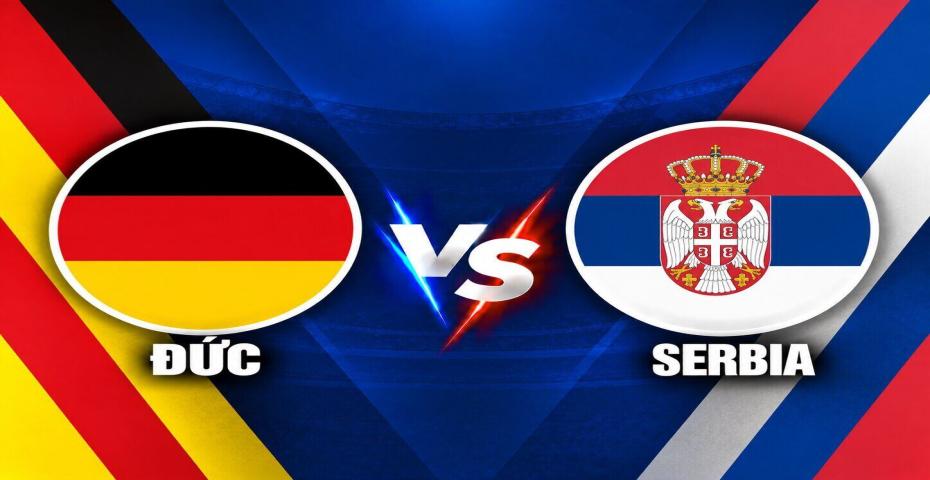
GERMANY vs SERBIA
01
Oct
2026
🇩🇪 🇩🇪 GERMANY 🆚 SERBIA 🇷🇸
⚽ TECHNICAL MATCH ANALYSIS
━━━━━━━━━━━━━━
🏆 UEFA Nations League
📅 October 1, 2026
🗓️ Matchday 3
⏰ Kick-off: 20:45 CEST
🏟️ Allianz Arena
📍 Munich, Germany
🌍 Europe
🇩🇪 Germany 🆚 Serbia 🇷🇸
━━━━━━━━━━━━━━
🔎 MATCH OVERVIEW
🇩🇪 Germany enter this match looking to establish greater control and attacking efficiency after a difficult beginning to their Nations League campaign.
Their natural approach is expected to focus on possession, positional movement and sustained pressure in the opposition half.
The key challenge will be converting territorial dominance into clear opportunities while maintaining defensive balance when players move forward.
🇷🇸 Serbia arrive with a different tactical challenge.
Their physical strength, ability to play directly and threat during transitions could become particularly important whenever Germany leave space behind their attacking structure.
This creates an interesting tactical confrontation between German positional football and Serbia’s more direct and physical approach.
━━━━━━━━━━━━━━
🇩🇪 GERMANY — TACTICAL APPROACH
🔵 POSSESSION CONTROL
Germany are expected to see significant periods of possession and attempt to dictate the rhythm through midfield.
Quick circulation will be important because slow possession could allow Serbia enough time to organize their defensive structure.
🧠 POSITIONAL PLAY
Germany can use constant movement between midfield and attack to create passing lanes between Serbia’s lines.
Players moving into the half-spaces could become particularly important when Serbia defend narrowly.
🔥 HIGH PRESS
Germany are likely to apply pressure immediately when Serbia attempt to build from defence.
Recovering possession close to Serbia’s penalty area could create some of Germany’s most dangerous attacking situations.
↔️ WIDTH & OVERLAPS
Using the full width of the pitch should help Germany stretch Serbia’s defensive structure.
Full-backs and wide attackers can create overloads before looking for passes back toward central areas.
🎯 FINAL THIRD
Germany’s biggest technical challenge could be turning possession into high-quality opportunities.
Movement without the ball, quick combinations and accurate final passes will be essential around the Serbian penalty area.
⚠️ DEFENSIVE BALANCE
Germany must also remain cautious when committing numbers forward.
Losing possession with both wide areas exposed could provide Serbia with exactly the transitional situations they are looking for.
━━━━━━━━━━━━━━
🇷🇸 SERBIA — TACTICAL APPROACH
🛡️ COMPACT DEFENCE
Serbia may prioritize reducing the space between midfield and defence.
Keeping Germany away from central attacking areas could force the hosts toward wider positions.
💪 PHYSICAL STRENGTH
Physical duels should form an important part of Serbia’s strategy.
Winning second balls can prevent Germany from sustaining attacking pressure and provide opportunities to move forward quickly.
⚡ FAST TRANSITIONS
This could be one of Serbia’s most important tactical weapons.
When Germany lose possession with several players positioned forward, Serbia can immediately attack the available space.
➡️ DIRECT PLAY
Serbia do not necessarily need long periods of possession to create danger.
Vertical passes and early deliveries toward advanced players could allow them to bypass Germany’s midfield pressure.
🎯 AERIAL THREAT
Crosses, free kicks and corners can create situations where Serbia’s physical presence becomes particularly valuable.
🧤 DEFENSIVE RESISTANCE
If Germany dominate possession, Serbia will need concentration and discipline for long periods without the ball.
━━━━━━━━━━━━━━
⚔️ KEY TACTICAL BATTLE
🧠 GERMANY’S MIDFIELD 🆚 SERBIA’S DEFENSIVE BLOCK
This could become the defining tactical battle.
🇩🇪 Germany will attempt to circulate possession quickly and position players between Serbia’s midfield and defensive lines.
🇷🇸 Serbia will try to close those spaces, maintain compact distances and prevent Germany from receiving comfortably near the penalty area.
If Germany successfully create space between the lines, their attacking combinations could become increasingly dangerous.
If Serbia keep the centre compact, Germany may be forced to attack primarily from wide positions.
━━━━━━━━━━━━━━
🔥 TRANSITION BATTLE
⚡ This is another crucial area.
Germany are likely to commit several players into attacking positions.
That creates attacking pressure — but also potential space.
🇷🇸 Serbia could immediately look forward whenever possession changes.
🇩🇪 Germany’s counter-press therefore becomes extremely important.
Stopping Serbia’s first forward pass could prevent dangerous counter-attacking situations before they develop.
━━━━━━━━━━━━━━
🔑 KEY FACTORS
🎯 Germany’s efficiency around the penalty area
🧠 Control of central midfield
🔥 Germany’s pressing intensity
⚡ Serbia’s speed during counter-attacks
💪 Physical and aerial duels
↔️ Germany’s use of width
🎯 Set-piece situations
🛡️ Germany’s defensive positioning after losing possession
🥅 Quality of the final pass
━━━━━━━━━━━━━━
👀 AREAS TO WATCH
🇩🇪 GERMANY
🔹 Movement between the lines
🔹 Central midfield combinations
🔹 High pressing situations
🔹 Wide attacking overloads
🔹 Runs into the penalty area
🔹 Immediate counter-press after losing possession
🇷🇸 SERBIA
🔸 Defensive compactness
🔸 Direct forward passes
🔸 Counter-attacking situations
🔸 Physical battles in midfield
🔸 Aerial presence
🔸 Corners and free kicks
━━━━━━━━━━━━━━
📊 MATCH DYNAMICS
🔵 POSSESSION
Germany are likely to attempt to control larger periods of the ball and establish themselves inside Serbia’s half.
📍 TERRITORIAL PRESSURE
The hosts could spend significant periods pushing Serbia toward their defensive third.
⚡ TRANSITIONS
Serbia may become considerably more dangerous when the game opens and Germany’s defensive structure is temporarily unbalanced.
💪 PHYSICAL BATTLE
Serbia’s strength could make second balls and aerial challenges particularly important.
🎯 FINAL THIRD
Germany’s ability to transform possession into clear chances will be one of the central technical questions of the match.
━━━━━━━━━━━━━━
🔭 MATCH PERSPECTIVE
From a technical perspective, the shape of this match could depend heavily on how quickly Germany move the ball against Serbia’s defensive organization.
📌 If Germany circulate possession rapidly and successfully occupy the spaces between Serbia’s lines, the match could become increasingly concentrated around the Serbian penalty area.
📌 If Serbia remain compact and force Germany into predictable wide attacks, the visitors could limit the quality of opportunities created from open play.
📌 If Germany push large numbers forward, Serbia’s direct transitions could become increasingly relevant.
📌 Set pieces could also change the tactical rhythm because Serbia possess the physical characteristics to make these situations difficult to defend.
📌 The opening phase should therefore reveal whether Germany can establish sustained territorial control or whether Serbia can turn the contest into a more physical and transitional battle.
This perspective describes the possible tactical development of the match without assuming or guaranteeing a particular final result.
━━━━━━━━━━━━━━
📝 TECHNICAL SUMMARY
🇩🇪 GERMANY
🔵 Possession Control
🧠 Positional Football
🔥 High Press
↔️ Wide Overloads
⚡ Counter-Pressing
🎯 Combination Play
📍 Territorial Pressure
🇷🇸 SERBIA
🛡️ Compact Defence
💪 Physical Strength
⚡ Fast Transitions
➡️ Direct Attacks
🎯 Set Pieces
🥅 Aerial Threat
🔒 Defensive Discipline
━━━━━━━━━━━━━━
⚽ FINAL TACTICAL VIEW
🇩🇪 Germany’s possession, positional movement and pressing will meet 🇷🇸 Serbia’s physical strength, compact defensive structure and direct transitional threat.
🧠 The midfield battle should have a major influence on the rhythm.
⚡ Germany must control Serbia’s counter-attacks.
🛡️ Serbia must withstand periods of sustained German pressure without losing their defensive distances.
🎯 Efficiency around both penalty areas could ultimately have a major influence on how the tactical story develops.
📊 Football Analysis | Tactical Perspective | Match Preview 🇷🇸
⚽ TECHNICAL MATCH ANALYSIS
━━━━━━━━━━━━━━
🏆 UEFA Nations League
📅 October 1, 2026
🗓️ Matchday 3
⏰ Kick-off: 20:45 CEST
🏟️ Allianz Arena
📍 Munich, Germany
🌍 Europe
🇩🇪 Germany 🆚 Serbia 🇷🇸
━━━━━━━━━━━━━━
🔎 MATCH OVERVIEW
🇩🇪 Germany enter this match looking to establish greater control and attacking efficiency after a difficult beginning to their Nations League campaign.
Their natural approach is expected to focus on possession, positional movement and sustained pressure in the opposition half.
The key challenge will be converting territorial dominance into clear opportunities while maintaining defensive balance when players move forward.
🇷🇸 Serbia arrive with a different tactical challenge.
Their physical strength, ability to play directly and threat during transitions could become particularly important whenever Germany leave space behind their attacking structure.
This creates an interesting tactical confrontation between German positional football and Serbia’s more direct and physical approach.
━━━━━━━━━━━━━━
🇩🇪 GERMANY — TACTICAL APPROACH
🔵 POSSESSION CONTROL
Germany are expected to see significant periods of possession and attempt to dictate the rhythm through midfield.
Quick circulation will be important because slow possession could allow Serbia enough time to organize their defensive structure.
🧠 POSITIONAL PLAY
Germany can use constant movement between midfield and attack to create passing lanes between Serbia’s lines.
Players moving into the half-spaces could become particularly important when Serbia defend narrowly.
🔥 HIGH PRESS
Germany are likely to apply pressure immediately when Serbia attempt to build from defence.
Recovering possession close to Serbia’s penalty area could create some of Germany’s most dangerous attacking situations.
↔️ WIDTH & OVERLAPS
Using the full width of the pitch should help Germany stretch Serbia’s defensive structure.
Full-backs and wide attackers can create overloads before looking for passes back toward central areas.
🎯 FINAL THIRD
Germany’s biggest technical challenge could be turning possession into high-quality opportunities.
Movement without the ball, quick combinations and accurate final passes will be essential around the Serbian penalty area.
⚠️ DEFENSIVE BALANCE
Germany must also remain cautious when committing numbers forward.
Losing possession with both wide areas exposed could provide Serbia with exactly the transitional situations they are looking for.
━━━━━━━━━━━━━━
🇷🇸 SERBIA — TACTICAL APPROACH
🛡️ COMPACT DEFENCE
Serbia may prioritize reducing the space between midfield and defence.
Keeping Germany away from central attacking areas could force the hosts toward wider positions.
💪 PHYSICAL STRENGTH
Physical duels should form an important part of Serbia’s strategy.
Winning second balls can prevent Germany from sustaining attacking pressure and provide opportunities to move forward quickly.
⚡ FAST TRANSITIONS
This could be one of Serbia’s most important tactical weapons.
When Germany lose possession with several players positioned forward, Serbia can immediately attack the available space.
➡️ DIRECT PLAY
Serbia do not necessarily need long periods of possession to create danger.
Vertical passes and early deliveries toward advanced players could allow them to bypass Germany’s midfield pressure.
🎯 AERIAL THREAT
Crosses, free kicks and corners can create situations where Serbia’s physical presence becomes particularly valuable.
🧤 DEFENSIVE RESISTANCE
If Germany dominate possession, Serbia will need concentration and discipline for long periods without the ball.
━━━━━━━━━━━━━━
⚔️ KEY TACTICAL BATTLE
🧠 GERMANY’S MIDFIELD 🆚 SERBIA’S DEFENSIVE BLOCK
This could become the defining tactical battle.
🇩🇪 Germany will attempt to circulate possession quickly and position players between Serbia’s midfield and defensive lines.
🇷🇸 Serbia will try to close those spaces, maintain compact distances and prevent Germany from receiving comfortably near the penalty area.
If Germany successfully create space between the lines, their attacking combinations could become increasingly dangerous.
If Serbia keep the centre compact, Germany may be forced to attack primarily from wide positions.
━━━━━━━━━━━━━━
🔥 TRANSITION BATTLE
⚡ This is another crucial area.
Germany are likely to commit several players into attacking positions.
That creates attacking pressure — but also potential space.
🇷🇸 Serbia could immediately look forward whenever possession changes.
🇩🇪 Germany’s counter-press therefore becomes extremely important.
Stopping Serbia’s first forward pass could prevent dangerous counter-attacking situations before they develop.
━━━━━━━━━━━━━━
🔑 KEY FACTORS
🎯 Germany’s efficiency around the penalty area
🧠 Control of central midfield
🔥 Germany’s pressing intensity
⚡ Serbia’s speed during counter-attacks
💪 Physical and aerial duels
↔️ Germany’s use of width
🎯 Set-piece situations
🛡️ Germany’s defensive positioning after losing possession
🥅 Quality of the final pass
━━━━━━━━━━━━━━
👀 AREAS TO WATCH
🇩🇪 GERMANY
🔹 Movement between the lines
🔹 Central midfield combinations
🔹 High pressing situations
🔹 Wide attacking overloads
🔹 Runs into the penalty area
🔹 Immediate counter-press after losing possession
🇷🇸 SERBIA
🔸 Defensive compactness
🔸 Direct forward passes
🔸 Counter-attacking situations
🔸 Physical battles in midfield
🔸 Aerial presence
🔸 Corners and free kicks
━━━━━━━━━━━━━━
📊 MATCH DYNAMICS
🔵 POSSESSION
Germany are likely to attempt to control larger periods of the ball and establish themselves inside Serbia’s half.
📍 TERRITORIAL PRESSURE
The hosts could spend significant periods pushing Serbia toward their defensive third.
⚡ TRANSITIONS
Serbia may become considerably more dangerous when the game opens and Germany’s defensive structure is temporarily unbalanced.
💪 PHYSICAL BATTLE
Serbia’s strength could make second balls and aerial challenges particularly important.
🎯 FINAL THIRD
Germany’s ability to transform possession into clear chances will be one of the central technical questions of the match.
━━━━━━━━━━━━━━
🔭 MATCH PERSPECTIVE
From a technical perspective, the shape of this match could depend heavily on how quickly Germany move the ball against Serbia’s defensive organization.
📌 If Germany circulate possession rapidly and successfully occupy the spaces between Serbia’s lines, the match could become increasingly concentrated around the Serbian penalty area.
📌 If Serbia remain compact and force Germany into predictable wide attacks, the visitors could limit the quality of opportunities created from open play.
📌 If Germany push large numbers forward, Serbia’s direct transitions could become increasingly relevant.
📌 Set pieces could also change the tactical rhythm because Serbia possess the physical characteristics to make these situations difficult to defend.
📌 The opening phase should therefore reveal whether Germany can establish sustained territorial control or whether Serbia can turn the contest into a more physical and transitional battle.
This perspective describes the possible tactical development of the match without assuming or guaranteeing a particular final result.
━━━━━━━━━━━━━━
📝 TECHNICAL SUMMARY
🇩🇪 GERMANY
🔵 Possession Control
🧠 Positional Football
🔥 High Press
↔️ Wide Overloads
⚡ Counter-Pressing
🎯 Combination Play
📍 Territorial Pressure
🇷🇸 SERBIA
🛡️ Compact Defence
💪 Physical Strength
⚡ Fast Transitions
➡️ Direct Attacks
🎯 Set Pieces
🥅 Aerial Threat
🔒 Defensive Discipline
━━━━━━━━━━━━━━
⚽ FINAL TACTICAL VIEW
🇩🇪 Germany’s possession, positional movement and pressing will meet 🇷🇸 Serbia’s physical strength, compact defensive structure and direct transitional threat.
🧠 The midfield battle should have a major influence on the rhythm.
⚡ Germany must control Serbia’s counter-attacks.
🛡️ Serbia must withstand periods of sustained German pressure without losing their defensive distances.
🎯 Efficiency around both penalty areas could ultimately have a major influence on how the tactical story develops.
📊 Football Analysis | Tactical Perspective | Match Preview