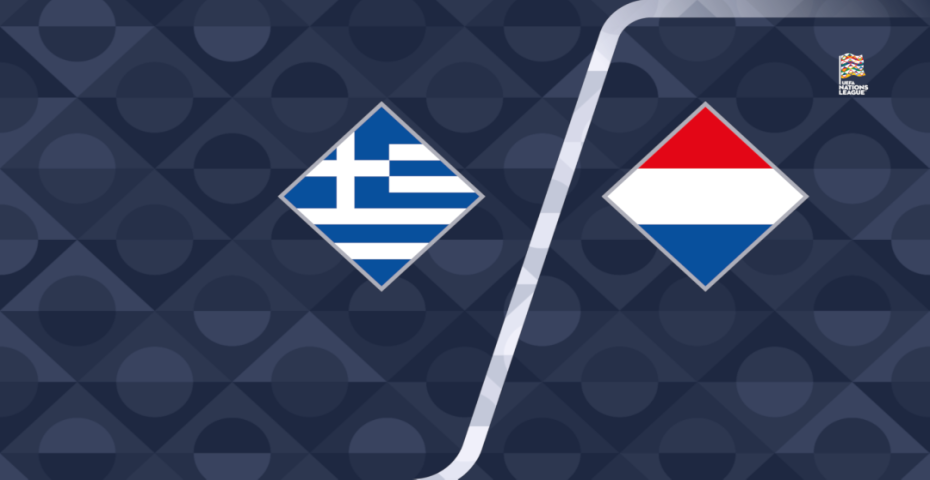
GREECE vs NETHERLANDS
01
Oct
2026
🇬🇷 GREECE 🆚 NETHERLANDS 🇳🇱
⚽ TECHNICAL MATCH ANALYSIS
━━━━━━━━━━━━━━
🏆 UEFA Nations League
📅 October 1, 2026
🗓️ Matchday 3
🏅 League A — Group A2
⏰ Kick-off: 20:45 CET
🏟️ Toumba Stadium
📍 Thessaloniki, Greece
🌍 Europe
🇬🇷 Greece 🆚 Netherlands 🇳🇱
━━━━━━━━━━━━━━
🔎 MATCH OVERVIEW
🇬🇷 Greece enter this match with confidence after an excellent start to their Nations League campaign.
Two victories from their opening two matches have demonstrated a strong combination of defensive organization, tactical discipline and efficiency in decisive moments.
The 1–0 victory away against Germany was particularly significant from a tactical perspective, showing Greece’s ability to remain compact under pressure while still creating enough attacking threat to influence the match.
Playing at home in Thessaloniki gives Greece another important element: intensity.
🇳🇱 Netherlands arrive unbeaten after collecting four points from their opening two matches.
The Dutch side possess a different footballing identity, with greater emphasis on possession, positional movement, technical combinations and controlling territory through the ball.
This creates one of the most tactically interesting matches of the round.
🇬🇷 Greek organization and transition football will meet 🇳🇱 Dutch possession and positional play.
━━━━━━━━━━━━━━
🇬🇷 GREECE — TACTICAL APPROACH
🛡️ DEFENSIVE ORGANIZATION
Greece’s defensive structure could become the foundation of their approach.
Maintaining short distances between defence and midfield will be essential against a Dutch team that constantly searches for spaces between the lines.
The objective will be to protect central areas and force the Netherlands toward less dangerous zones.
━━━━━━━━━━━━━━
🧱 COMPACT CENTRAL BLOCK
Greece may allow the Netherlands to circulate possession in deeper areas without immediately breaking their defensive structure.
The priority should be controlling the central corridor.
If the Dutch are forced repeatedly toward the wings, Greece can defend the penalty area with greater numerical strength.
━━━━━━━━━━━━━━
🔥 CONTROLLED PRESSING
Greece do not necessarily need to press continuously.
Instead, they can identify specific triggers.
A backward pass.
A difficult first touch.
A pass toward the touchline.
These moments can allow Greece to suddenly increase pressure and attempt to recover possession.
━━━━━━━━━━━━━━
⚡ FAST TRANSITIONS
This could become one of Greece’s most important attacking weapons.
When possession is recovered, Greece can immediately attack the spaces left behind the Dutch midfield.
The first forward pass will be crucial.
Rather than allowing the Netherlands time to reorganize, Greece can attempt to move vertically and quickly toward the attacking third.
━━━━━━━━━━━━━━
↔️ WIDE ATTACKS
The spaces behind advanced Dutch wide players could become important.
Greece can use quick switches of play and forward runs into the channels to move from defence into attack.
Wide transitions may also create crossing opportunities before the Dutch defensive block is completely organized.
━━━━━━━━━━━━━━
🎯 SET PIECES
Corners and free kicks could become particularly valuable.
Against technically strong opposition, set pieces provide Greece with opportunities to create pressure without needing to dominate possession.
Accurate delivery and movement inside the penalty area could therefore become important tactical elements.
━━━━━━━━━━━━━━
🇳🇱 NETHERLANDS — TACTICAL APPROACH
🔵 POSSESSION CONTROL
The Netherlands are likely to attempt to establish longer periods with the ball.
Their objective will not simply be possession for its own sake.
They will look to move Greece’s defensive block until passing lanes begin to appear.
━━━━━━━━━━━━━━
🧠 POSITIONAL PLAY
Dutch midfielders can constantly change positions and occupy different spaces between Greece’s defensive lines.
These rotations are designed to create difficult decisions for defenders.
Follow the player — and space may appear elsewhere.
Maintain position — and the Dutch player may receive between the lines.
This positional movement could become one of the central tactical themes.
━━━━━━━━━━━━━━
↔️ WIDTH & OVERLOADS
The Netherlands can stretch Greece horizontally by maintaining attacking width.
Wide players and advancing full-backs can create numerical advantages near the touchline.
Once Greece move players toward one side, the Netherlands can quickly switch possession toward the opposite flank.
━━━━━━━━━━━━━━
⚡ QUICK COMBINATIONS
Short passes around the penalty area could be particularly important against Greece’s compact defensive structure.
One-touch combinations, third-man runs and passes behind the defensive line can create opportunities even when very little space is available.
━━━━━━━━━━━━━━
🔥 COUNTER-PRESSING
This could be essential.
Whenever the Netherlands lose possession, their immediate reaction should be preventing Greece from launching a transition.
Stopping the first Greek forward pass could significantly reduce one of the home side’s biggest attacking weapons.
━━━━━━━━━━━━━━
🛡️ REST DEFENCE
The Netherlands must maintain enough defensive protection behind their attacks.
If too many players move forward simultaneously, Greece could find large spaces during turnovers.
Dutch attacking ambition therefore needs to remain balanced with defensive positioning.
━━━━━━━━━━━━━━
⚔️ KEY TACTICAL BATTLE
🇬🇷 GREECE’S COMPACT BLOCK 🆚 🇳🇱 DUTCH POSITIONAL PLAY
This could be the defining battle of the match.
🇬🇷 Greece will attempt to keep the central areas crowded and reduce the space available between their lines.
🇳🇱 Netherlands will attempt to move that defensive structure through patient circulation, positional rotations and rapid switches of play.
If Greece maintain their defensive distances, the Dutch may be forced to attack primarily through wider areas.
If the Netherlands successfully create gaps between midfield and defence, dangerous central combinations could begin to appear.
━━━━━━━━━━━━━━
🧠 MIDFIELD BATTLE
The midfield contest should be fascinating.
🇬🇷 Greece need intensity, discipline and excellent positional awareness.
🇳🇱 Netherlands need quick ball circulation and intelligent movement away from the ball.
The speed of Dutch passing could become particularly important.
Slow circulation would allow Greece to reorganize.
Fast circulation could force Greek midfielders to repeatedly adjust their positions and eventually create openings.
━━━━━━━━━━━━━━
🔥 TRANSITION BATTLE
⚡ This could be Greece’s opportunity to change the rhythm of the match.
The Netherlands are likely to position several players inside the Greek half.
Whenever possession changes, space could temporarily appear behind them.
🇬🇷 Greece will look to attack that space quickly.
🇳🇱 Netherlands will attempt to counter-press immediately and prevent the transition before it develops.
The first five seconds after possession changes could therefore become extremely important.
━━━━━━━━━━━━━━
🎯 PENALTY-AREA BATTLE
Greece have already demonstrated that they do not require a huge number of opportunities to influence matches.
The Netherlands therefore cannot afford concentration errors around their own penalty area.
At the opposite end, Greece may spend periods defending close to goal.
Communication between defenders and midfielders will be essential when dealing with Dutch movement inside and around the box.
━━━━━━━━━━━━━━
🔑 KEY FACTORS
🛡️ Greece’s defensive compactness
🔵 Dutch possession control
🧠 Movement between the lines
⚡ Greek counter-attacks
🔥 Dutch counter-pressing
↔️ Use of the wide areas
🎯 Set-piece situations
🔄 Speed of ball circulation
💪 Midfield duels
🚨 Space behind advanced players
🥅 Efficiency in decisive attacking moments
━━━━━━━━━━━━━━
👀 AREAS TO WATCH
🇬🇷 GREECE
🔹 Defensive distances
🔹 Central compactness
🔹 Fast counter-attacks
🔹 Wide transitions
🔹 Set-piece delivery
🔹 Second-ball situations
🔹 Movement behind the Dutch midfield
🔹 Defensive concentration
🇳🇱 NETHERLANDS
🔸 Positional rotations
🔸 Possession between the lines
🔸 Wide overloads
🔸 Quick switches of play
🔸 One-touch combinations
🔸 Counter-pressing
🔸 Runs around the penalty area
🔸 Protection against Greek transitions
━━━━━━━━━━━━━━
🌟 ATTACKING AREAS TO WATCH
🇬🇷 GREECE
Greece have several different attacking profiles available.
⚡ Christos Tzolis can provide direct running and attacking movement.
🎯 Vangelis Pavlidis offers presence and intelligent positioning in advanced areas.
✨ Konstantinos Karetsas can add creativity and technical quality between midfield and attack.
Their collective movement could become especially important during transition situations.
━━━━━━━━━━━━━━
🇳🇱 NETHERLANDS
The Netherlands possess technical quality throughout midfield and attack.
🧠 Tijjani Reijnders can influence progression through intelligent midfield movement.
⚡ Crysencio Summerville provides speed and direct attacking ability.
🎯 Mexx Meerdink enters the match having already contributed goals during this Nations League campaign.
The Dutch also possess considerable quality from deeper positions, meaning Greece cannot focus exclusively on the attacking line.
━━━━━━━━━━━━━━
📊 MATCH DYNAMICS
🔵 POSSESSION
The Netherlands may attempt to control larger periods of possession.
Greece, however, do not necessarily need equal possession to maintain tactical influence.
━━━━━━━━━━━━━━
📍 TERRITORIAL CONTROL
The Dutch could spend significant periods inside the Greek half.
The important question is whether that territory produces genuinely dangerous opportunities or simply possession around Greece’s defensive block.
━━━━━━━━━━━━━━
⚡ TRANSITIONS
Greece could become most dangerous immediately after recovering the ball.
The Netherlands must therefore manage their defensive positioning even while attacking.
━━━━━━━━━━━━━━
🧠 PATIENCE
This could be an important psychological and tactical element.
If Greece remain organized for long periods, the Netherlands must avoid forcing difficult passes simply because immediate openings are unavailable.
━━━━━━━━━━━━━━
🔥 HOME INTENSITY
Toumba Stadium can provide an energetic environment.
Greece may attempt to use that atmosphere to increase their intensity during pressing phases, duels and attacking transitions.
━━━━━━━━━━━━━━
🔭 MATCH PERSPECTIVE
From a purely technical perspective, this match presents a fascinating contrast between two different approaches.
📌 If Greece maintain the same defensive discipline demonstrated in their opening matches, the Netherlands may need considerable patience to create central openings.
📌 If Dutch circulation becomes fast enough to move Greece’s midfield from side to side, spaces could gradually appear between the defensive lines.
📌 If the Netherlands commit too many players forward, Greece’s transition game could become increasingly influential.
📌 If Greece are forced to defend extremely deep for extended periods, sustained Dutch territorial pressure could increase the number of dangerous situations around the penalty area.
📌 Set pieces could provide Greece with another route to create pressure even during periods when the Netherlands control possession.
📌 The first goal, if it arrives early, could dramatically change the tactical landscape and force one side away from its preferred structure.
The opening stages should therefore reveal whether Greece can impose a compact and disciplined contest or whether the Netherlands can establish the positional rhythm required to stretch the home defence.
This perspective describes possible tactical scenarios rather than assuming or guaranteeing any particular final result.
━━━━━━━━━━━━━━
📝 TECHNICAL SUMMARY
🇬🇷 GREECE
🛡️ Defensive Organization
🧱 Central Compactness
⚡ Fast Transitions
🔥 Controlled Pressing
↔️ Wide Counter-Attacks
🎯 Set Pieces
💪 Tactical Discipline
🔒 Defensive Concentration
🇳🇱 NETHERLANDS
🔵 Possession Control
🧠 Positional Play
🔄 Midfield Rotations
↔️ Wide Overloads
⚡ Quick Combinations
🔥 Counter-Pressing
🎯 Final-Third Movement
🛡️ Rest Defence
━━━━━━━━━━━━━━
⚽ FINAL TACTICAL VIEW
🇬🇷 Greece’s organization, confidence and transition game will meet 🇳🇱 Netherlands’ possession, technical quality and positional movement.
🧠 The battle between the Dutch midfield and Greece’s compact defensive structure should be central to the match.
⚡ Greece will look for moments to turn defensive recoveries into rapid attacks.
🔵 The Netherlands will attempt to control territory without exposing themselves during possession losses.
🎯 Set pieces, transitions and efficiency around both penalty areas could significantly influence how the tactical story develops.
📊 Football Analysis | Tactical Perspective | Match Preview